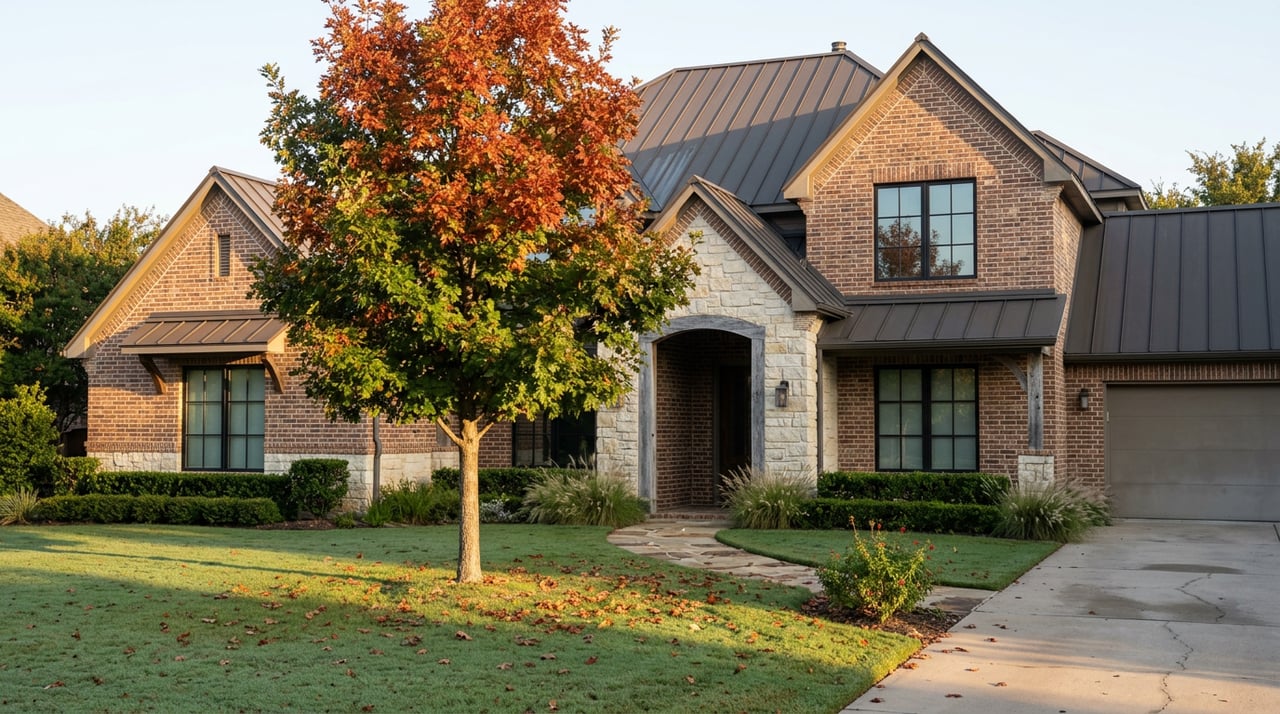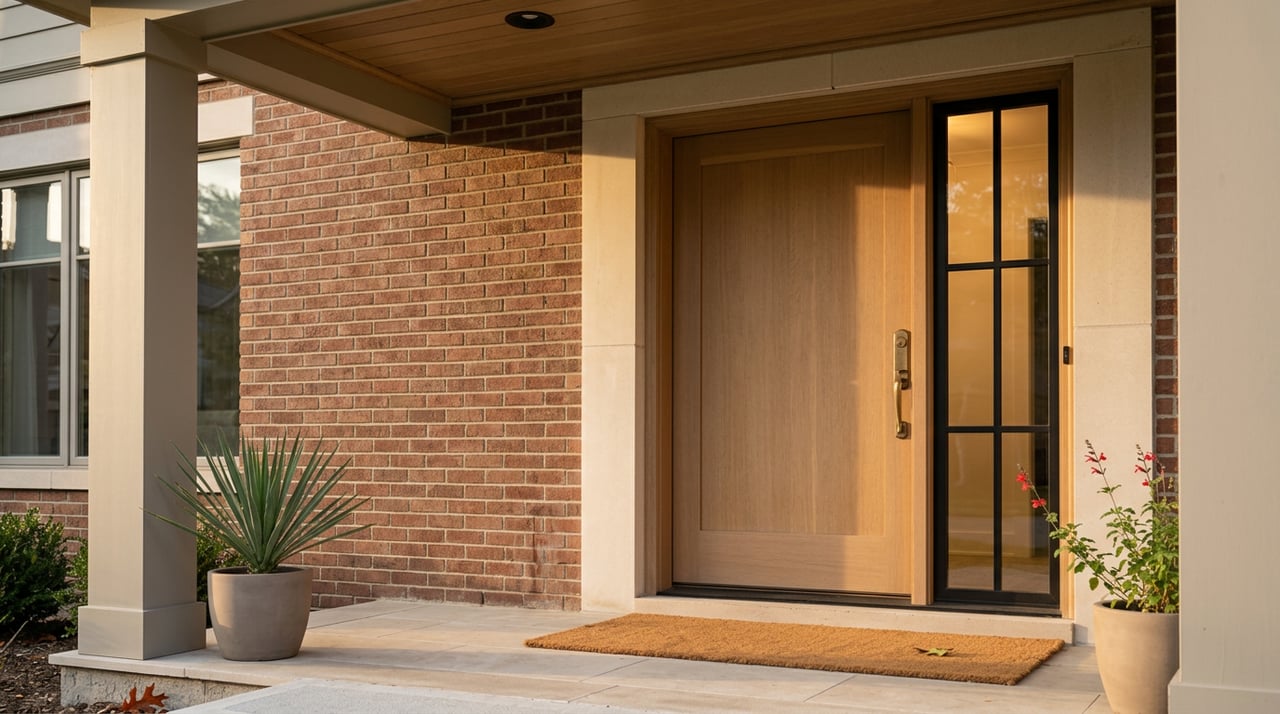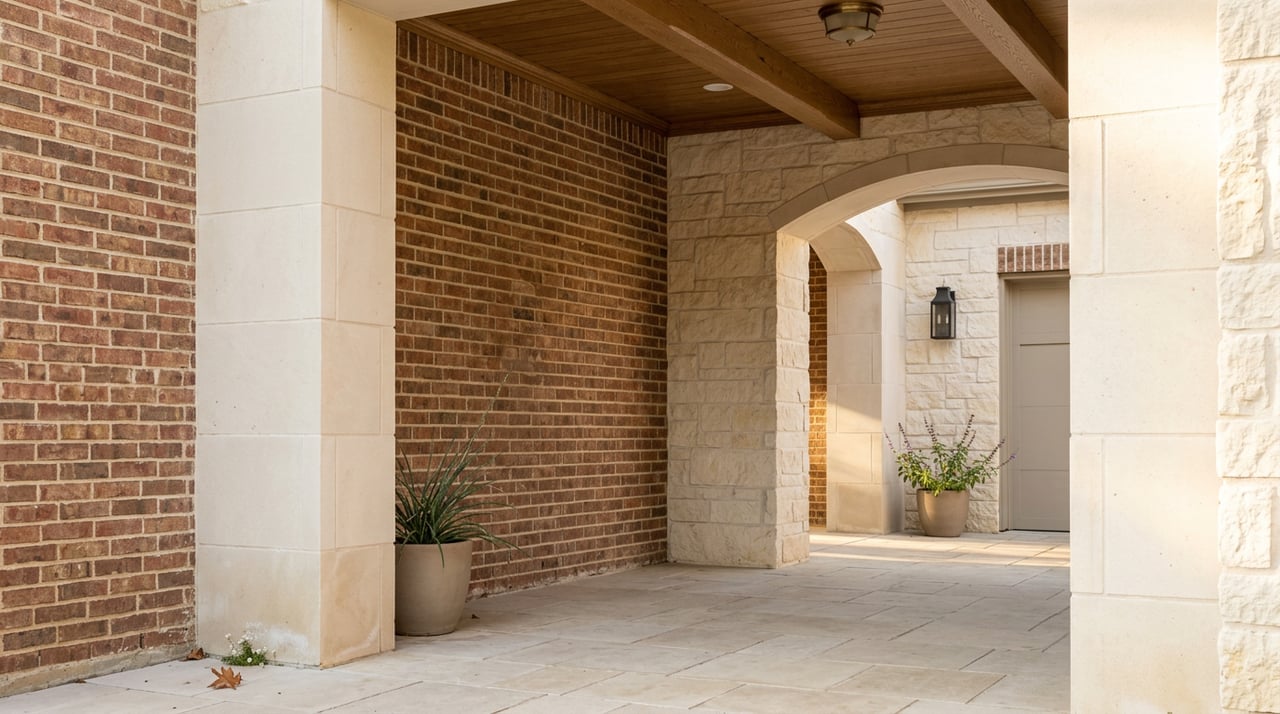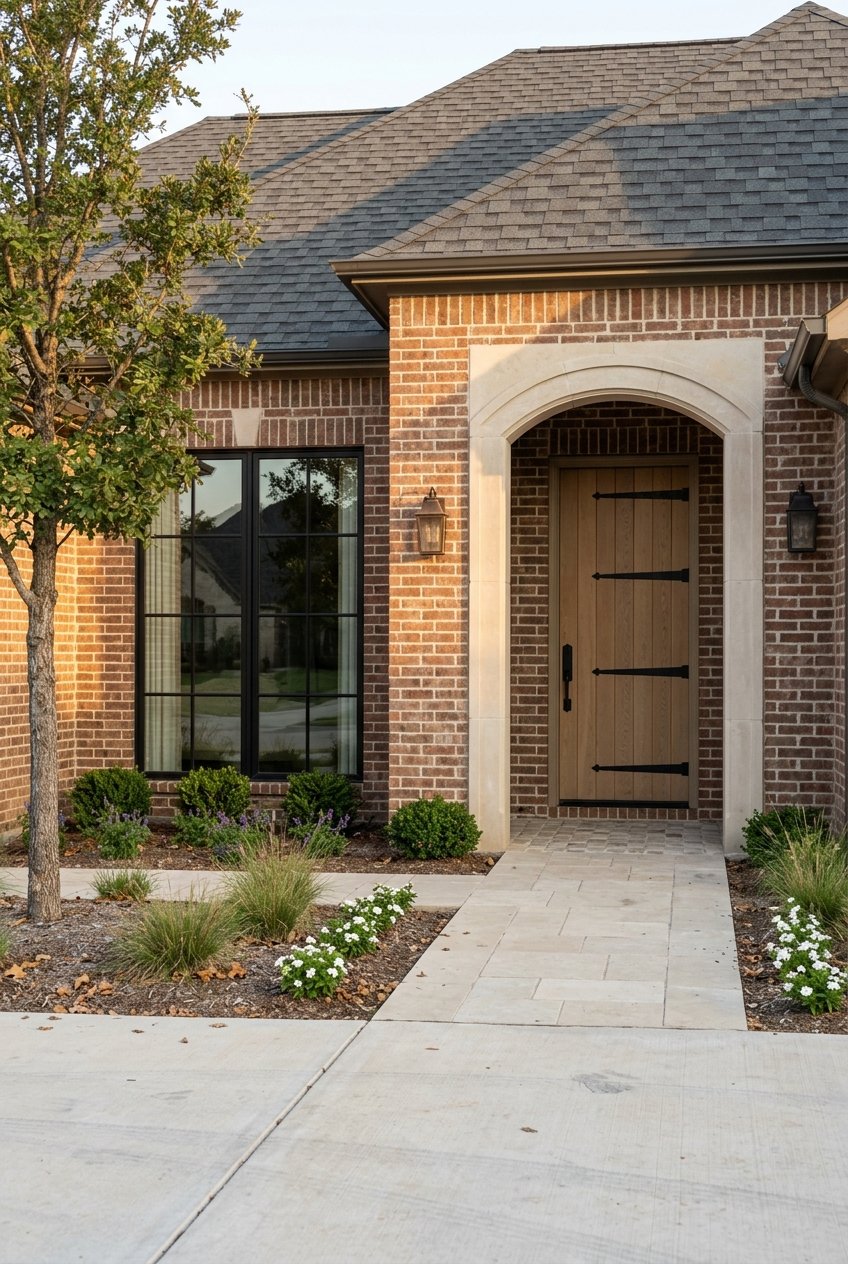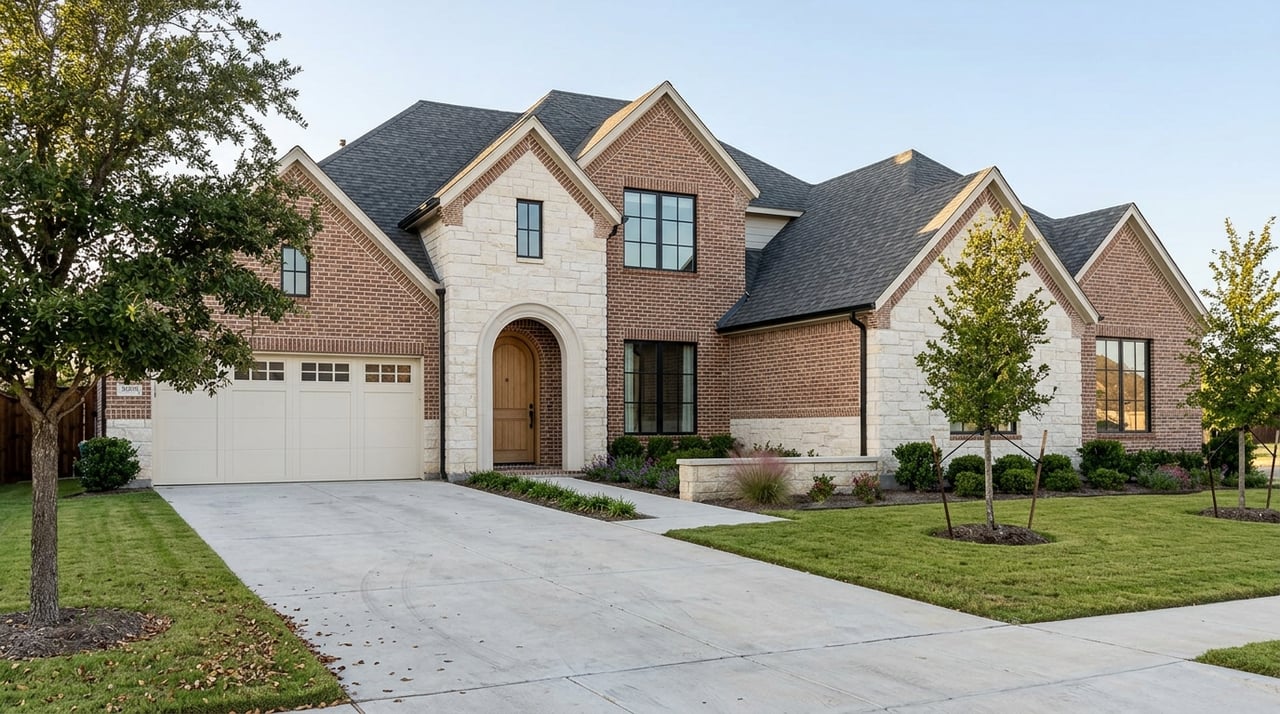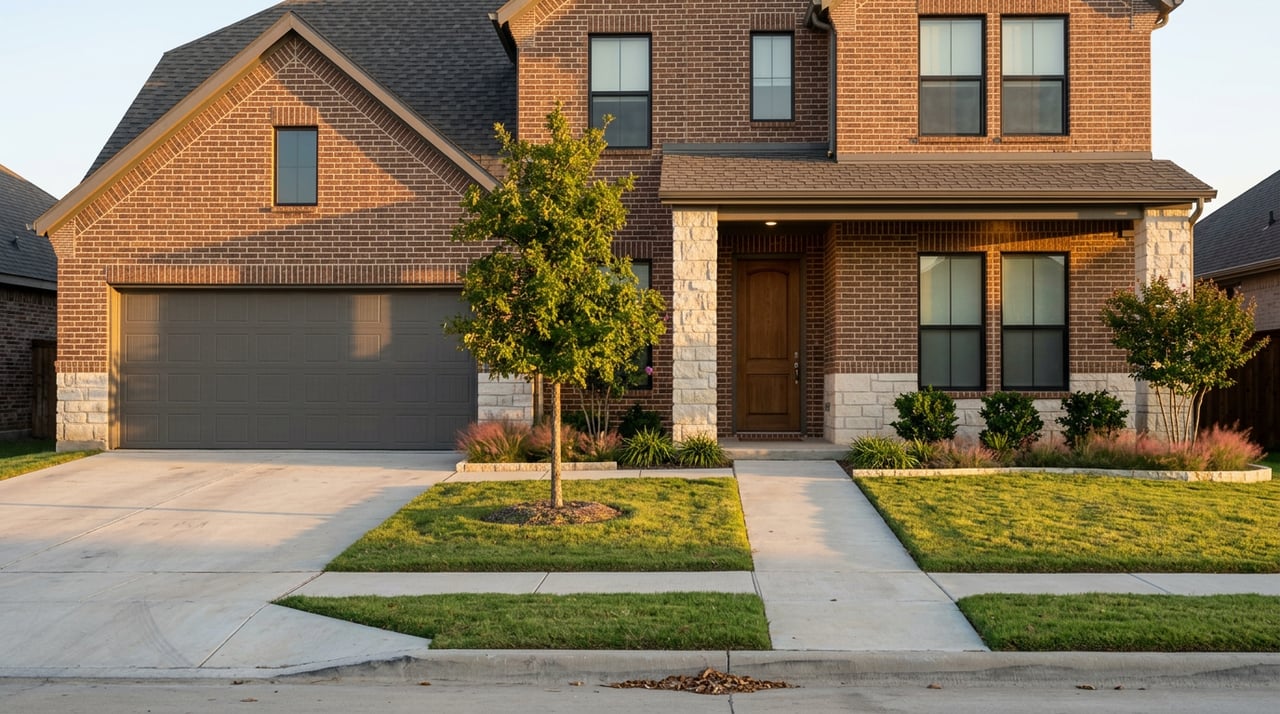
Two-story brick-and-limestone gabled home with a manicured lawn and illuminated porch lights.

Is HOA Living In Grand Prairie Right For You?

March 12, 2026

Thinking about a home in an HOA neighborhood in Grand Prairie? Maybe you love the idea of tidy streets, a community pool, and neighborhood events, but you’re unsure about rules and monthly fees. You’re not alone. In this guide, you’ll learn what HOA living looks like here, what fees usually cover, the Texas rules that protect you, and a simple checklist to use before you make an offer. Let’s dive in.

What HOA living looks like in Grand Prairie

Grand Prairie has a wide mix of HOA neighborhoods, from low-dues subdivisions to amenity-rich, master-planned communities. The city keeps an official HOA program, a public directory, and boundary map you can use to confirm whether a neighborhood has an association and find contact info for management. You can start with the city’s HOA registration program and directory.

You’ll see familiar names on the city list, including Mira Lagos, Westchester, Grand Peninsula, Lake Parks, Lake Ridge, Villa Di Lago, and West Shore. These cover a range of lifestyles, from lakeside pockets near Joe Pool Lake to larger planned communities with pools, clubhouses, and trails. Each association sets its own budget, amenities, and rules, so it pays to compare.

Everyday benefits you might enjoy

  • Maintained common areas and entrances that keep curb appeal consistent.
  • Access to amenities like pools, clubhouses, fitness rooms, trails, or playgrounds in many communities.
  • Neighborhood communications and events that make it easier to connect.
  • In some pockets, gated entries or private roads managed by the association.

The tradeoffs and common rules

HOAs operate under recorded covenants and rules. Many communities use an Architectural Control Committee (ACC) to review exterior changes like paint colors, fences, patios, additions, sheds, and driveway modifications. These rules “run with the land,” so they apply to you and future owners. For a plain-language primer on how Texas property owners’ associations work, review the Texas State Law Library overview.

Rules often address day-to-day items buyers ask about: parking or driveway use, visible storage, commercial or oversized vehicles, short-term rentals, exterior materials, fence height and placement, and sign policies. Enforcement styles vary by board and management company, but associations typically use notices, fines, suspension of amenity access, and assessment liens as tools. In Texas, procedures and limits are set by statute, which adds important protections for owners.

What dues cover and typical costs

In Grand Prairie, HOA fees span a wide range. Recent listings show examples from roughly $13 per month in minimal-service subdivisions, to mid-range levels around $30 to $70 per month, to higher fees of $150 and up where you get larger amenities, yard service, or exterior maintenance. Townhome and condo-style communities can run higher, often $300+ per month, because they may include building insurance and exterior upkeep. The key is to compare what’s included.

Dues commonly pay for common-area landscaping, pool or clubhouse care, insurance on shared spaces, management fees, utilities for common areas, and reserves for big-ticket repairs. In some communities, they also cover front-yard maintenance or exterior building upkeep. Nationally, fees vary as well; industry summaries show a median in the low-to-mid hundreds per month, which helps explain why the local range is so broad. If you want context, you can scan national HOA fee data from iPropertyManagement’s statistics summary.

Key Texas protections and documents

  • Resale certificate. In Texas, the resale certificate is a must-have disclosure that outlines the association’s financials, insurance, current assessments, any amounts owed on the home, and governance details. It limits surprise liability for a buyer for amounts not disclosed as of the certificate date. Learn the basics in Chapter 207 of the Texas Property Code on resale certificates.
  • Records and governance. The Residential Property Owners Protection Act (Chapter 209) sets many procedures for Texas HOAs, including owners’ rights to access records, notice and meeting rules, and limits on collections and foreclosure processes. You can read the statute here: Texas Property Code Chapter 209.
  • Fees for disclosure packages. Associations can charge a preparation fee for the resale packet, and Texas guidance notes practical caps that many HOAs follow. Expect a separate line item for this fee at closing. See the Texas State Law Library’s page on property owners’ associations for details.
  • Special assessments. Some HOAs can levy special assessments for major repairs if the governing documents allow it. Texas practice often requires owner notice or votes for larger assessments, and payment plans may be available. You can review discussion of recent Texas changes related to large assessments here.

How to check an HOA fast

Your first stop should be the city’s resources. Use Grand Prairie’s HOA directory and boundary map to confirm whether a neighborhood is within an HOA and to find contact information for the board or management company. Call or email to request current dues, a rundown of amenities, and how the ACC approval process works.

If you’re touring neighborhoods, make notes on amenities, gate access, and overall common-area upkeep. Ask the listing agent what the HOA covers and whether any special assessments are planned. The answers will help you budget and compare.

Buyer checklist before you write an offer

Use this short list to avoid surprises. When possible, review these items before you go under contract, or make them part of your option period.

  • Resale disclosure package, including the official resale certificate prepared within the Texas timing window. Clarify who pays the production fee and ask for an itemized invoice. See the statute on resale certificates.
  • Recorded CC&Rs, bylaws, and rules. Confirm the ACC process and approval timelines. The Texas State Law Library guide explains these documents.
  • Current operating budget, recent financials, and the most recent reserve study or notes on reserves. Low reserves combined with low dues can signal future special assessments.
  • Minutes from the last 6 to 12 months of board meetings, plus any notices of pending litigation or vendor disputes. Minutes reveal enforcement priorities and spending plans.
  • Management company details and current insurance certificates for common areas. If you need a contact, start with the city’s HOA directory.
  • A history of assessment increases and any planned capital projects. If a special assessment was recently approved, ask about the vote record and payment schedule.
  • Whether the developer still controls the association in newer communities and which amenities are complete vs. planned.

HOA vs. non-HOA in the DFW area

  • HOA neighborhoods: more predictable exterior standards, shared amenities, and coordinated upkeep; routine dues; rules that may limit exterior changes and certain rental options.
  • Non-HOA neighborhoods: more autonomy and fewer recurring fees; you handle all exterior upkeep; neighborhood appearance may vary; fewer formal community events.

Across the Metroplex, most new construction is in HOAs or master associations, while older or more rural areas often have non-HOA choices. Decide what matters most to you: convenience and amenities, or maximum flexibility and fewer rules.

Sample Grand Prairie HOA options to explore

  • Mira Lagos. A large, master-planned area with extensive common spaces and community programming. Check the city’s HOA directory for current contacts and info.
  • Grand Peninsula and West Shore near Joe Pool Lake. These areas often feature pools, clubhouses, trails, and water-access lifestyle features managed by the HOA. Use the directory to find the latest details.
  • Westchester and Lake Parks. Established subdivisions with documented covenants and typical HOA services like entrance landscaping and common-area maintenance. Confirm dues and amenities through the directory.

Every association is unique. Compare dues, amenities, reserves, and rules side by side so you can see real value, not just a headline fee.

Ready to find your fit?

If you want help deciding whether an HOA community matches your lifestyle and budget, let’s talk through your options in Grand Prairie and across the DFW suburbs. We’ll help you weigh amenities, rules, fees, and resale considerations so you feel confident from the first tour to closing. Connect with Pamela Carter to Schedule a Free Consultation.

FAQs

Can the HOA in Grand Prairie foreclose if I don’t pay dues?

  • Under Texas law, associations can enforce assessment liens and, in limited cases, pursue foreclosure, but Chapter 209 sets notice steps and provides certain redemption rights after some foreclosure sales. Review Texas Property Code Chapter 209 and your HOA’s collection policy.

How do I confirm if a neighborhood has an HOA?

What does the Texas resale certificate include and why does it matter?

  • It summarizes financials, current assessments, insurance, any amounts owed on the property, and governance items. It helps prevent surprise charges for buyers. See Chapter 207 on resale certificates.

Can I review the HOA budget and meeting minutes before buying?

  • Yes. Texas law requires most associations to make records reasonably available to owners upon request. See Texas Property Code Chapter 209 for record access rights.

How much will the HOA resale packet cost?

  • Fees vary by association. Texas guidance recognizes a preparation fee that many HOAs charge for compiling the resale package. Ask upfront who pays and request an exact invoice; the Texas State Law Library guide provides context on common fees.

Work With Us

Pamela and Brooklyn have two different styles when it comes to realestate, which is what makes them a powerful team. They look forward to helping as many people as they can navigate the process of buying, selling or investing in realestate.