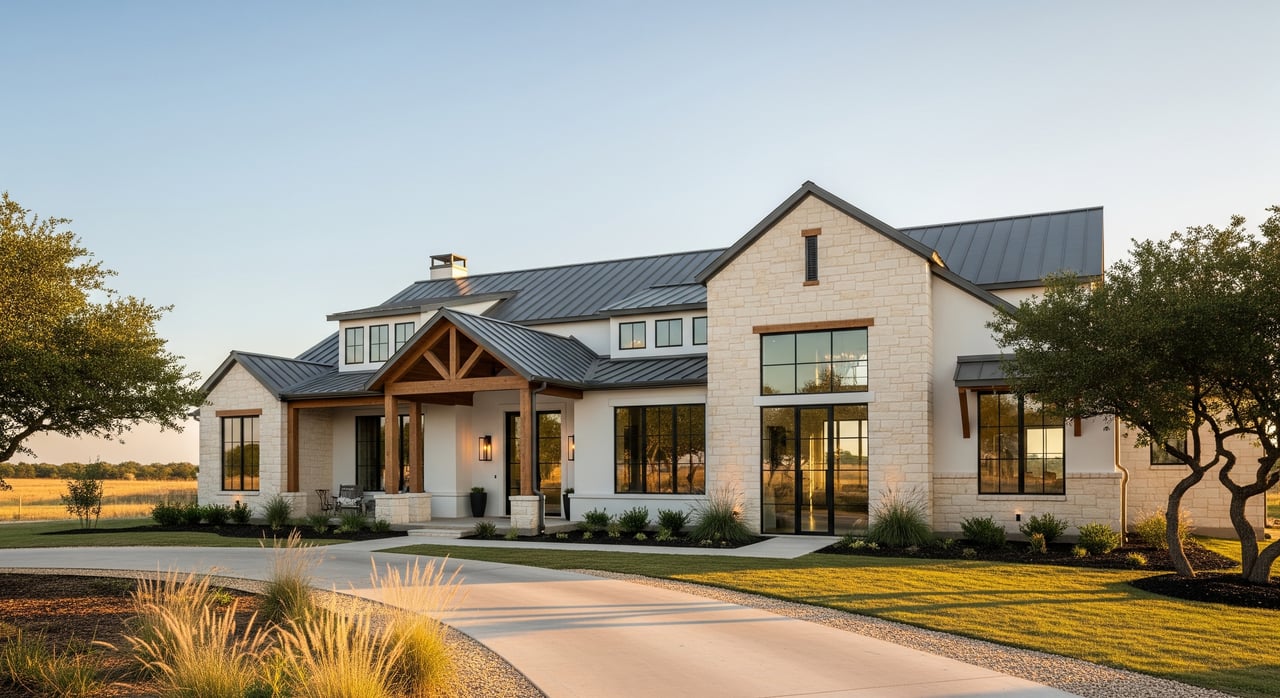
Buying New Construction in Joshua: Builder Contracts 101
December 25, 2025
December 25, 2025
Thinking about a brand-new home in Joshua but unsure what you’re signing with a builder contract? You’re not alone. Builder forms in Texas can be long, technical, and tilted toward the builder, which makes it easy to miss important details. In this guide, you’ll learn how these contracts work, what you can negotiate, and the key steps that keep your build on track in Joshua and the greater Fort Worth–Arlington area. Let’s dive in.
Joshua and nearby Johnson County neighborhoods offer several new-construction paths. Each comes with a different contract style and level of flexibility.
In Texas, many production builders use proprietary contracts rather than standard TREC forms. These builder-written documents set pricing, options, change orders, warranties, deposits, timelines, and dispute rules. Remember, oral agreements are not enforceable in Texas real estate, so get every promise in writing.
Builder contracts share common sections. Understanding each one helps you avoid surprises.
Your price is more than the base number. Expect a breakdown of base price, any lot premium, and selected options. Some builders use allowances for items like cabinets or countertops. If your picks exceed the allowance, you pay the difference. Watch for any price escalation language tied to material costs or assessments, and ask how those increases are calculated.
Contracts specify earnest money and option deposits, where funds are held, and refund conditions. Deposits may sit with a title company or a builder-controlled escrow. Read the refund rules tied to buyer default, financing, and builder default. Flag any non-refundable deposit language that seems excessive or tied to very short timelines.
After your selections, any change typically goes through a formal process. The contract should explain pricing, payment timing, and schedule impacts. Builders often charge a premium for changes made after deadlines, so try to finalize decisions early.
Most contracts list a target build or closing date, along with language about delays. Force majeure and supply-chain clauses are common and limit the builder’s liability if timing slips. Production builders rarely agree to pay late-delivery penalties unless negotiated. Ask for written milestone targets and clarity on what happens if dates shift.
Your contract should set when you can inspect the home. Typical points include a pre-drywall inspection and a final inspection before closing. Confirm whether outside inspectors are allowed and how items are handled on the punch list. Make sure you know how to submit issues and how quickly they will be addressed.
Many builders follow a staged “1-2-10” structure, which is commonly 1 year for workmanship, 2 years for mechanical systems, and 10 years for structural coverage. Review the warranty documents for exclusions, the claims process, response times, and whether a third-party provider handles structural items.
Builder contracts often require arbitration and may limit class actions or certain damages. Arbitration changes the way disputes are handled and usually shortens timelines. Know what you are agreeing to before you sign.
Confirm how the contract handles mechanics’ liens. You want the builder to provide lien waivers from subcontractors at or after closing so you receive clear title.
If your lot sits in an HOA, the contract should include the CC&Rs, fee schedule, transfer charges, and any architectural controls. Read these carefully so you understand the rules, especially for landscaping, exterior changes, and parking.
Many contracts include disclaimers around finishes or availability. If something is important to you, have it written into the contract as an inclusion or a detailed exhibit. Save brochures, selection sheets, and emails.
Not every builder will modify their standard form, but you can often get clarifications or limited protections. Consider asking for:
For more complex edits, consider a Texas real-estate attorney. A buyer’s agent who knows new construction can also help you prioritize asks, compare builders, and coordinate inspections and documents.
The new-build journey usually follows a set sequence:
Builders set strict windows for selections, often within 7 to 30 days of signing. Miss a deadline and you may default to a standard finish or pay change-order fees. Ask for your selection calendar in writing and note any long lead-time items, such as appliances or custom windows.
Expect standard product lines with upgrade pricing. Ask for examples of typical upgrade costs and allowances before you sign. If your choices exceed the allowance, the difference is added to the price or collected through change orders.
Build time in the DFW area varies by plan complexity, lot conditions, permits, and supply chain. Weather and municipal scheduling can add delays. Many contracts say time is not of the essence, which means dates are targets rather than strict deadlines. Keep communication frequent and documented.
Builder walk-throughs focus on visible finishes, but independent inspectors look at framing, insulation, HVAC, drainage, and code-related details. Catching issues before drywall is installed can prevent costly fixes later.
Plan at least two inspections:
Some buyers schedule a follow-up near the end of the one-year workmanship period to capture warranty items.
Use the final walk-through to document items that need attention. Take photos, list locations, and get target completion dates in writing. If something is not finished by closing, confirm that it is recorded as a post-closing punch-list item.
You will typically pay for independent inspections. Confirm the builder’s policy for scheduling outside inspectors and whether any approvals are required. Coordinate with your agent so access and timing align with construction milestones.
Depending on where your lot sits, the City of Joshua or Johnson County will issue permits and conduct inspections. Builders usually handle permits, but you should confirm that a certificate of occupancy will be issued before move-in, as required by your contract.
Ask which utility providers serve the subdivision and who handles hookup fees. Some new neighborhoods use municipal utility districts or private utilities, which can impact monthly costs. If the lot is near a floodplain, request the relevant disclosures and any elevation certificates.
Property tax rates vary across Johnson County and the broader Fort Worth metro. Estimate taxes through the county appraisal district and verify which taxing entities apply to your lot. Many Joshua-area homes are zoned to Joshua ISD or nearby districts. Always confirm current boundaries for your specific address.
Most new subdivisions have HOAs. Review the CC&Rs, fee schedule, transfer fees, and architectural requirements before you sign. This helps you understand recurring costs and any restrictions on your plans.
Research the builder’s reputation for quality, schedule management, and warranty service. Look at prior communities, consumer feedback, and any disciplinary history with relevant state agencies. Ask to tour a comparable finished home when possible.
If you want a calm, clear path from model home to move-in, we are here to help. Reach out to Pamela Carter to talk through builders in Joshua, compare contracts, and build a plan that protects your timeline and budget.
Stay up to date on the latest real estate trends.
Pamela and Brooklyn have two different styles when it comes to realestate, which is what makes them a powerful team. They look forward to helping as many people as they can navigate the process of buying, selling or investing in realestate.