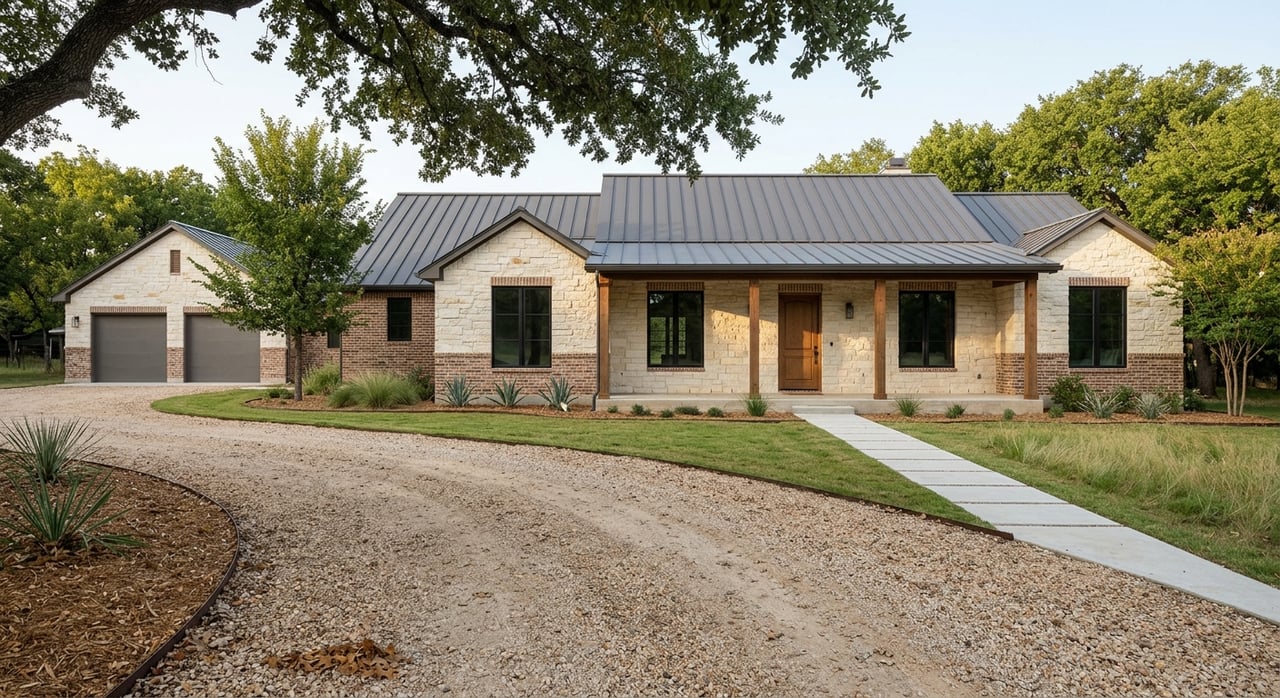
Buying Godley TX Acreage Homes & Small Ranch Properties
April 9, 2026
April 9, 2026
If you are thinking about buying acreage or a small ranch home in Godley, it helps to know that “more land” can mean very different things here. One property might feel like a larger-lot home with a bit of breathing room, while another may come with pasture, a pond, barns, or room for livestock. That can be exciting, but it also means your buying process needs more than a standard home search. In this guide, you will learn what to expect in Godley’s acreage market, what to verify before closing, and how to make a smart move with confidence. Let’s dive in.
In Godley, acreage is not one-size-fits-all. The local market includes everything from smaller subdivision lots to 1-acre homesites and much larger ranch-style parcels. The City of Godley’s own standards even include a rural road section for a 1-acre lot subdivision, which shows how common larger-lot residential development is in the area.
For you as a buyer, that means the word “acreage” can describe several different lifestyles. You may be looking for a home with extra privacy and space between neighbors, or you may want a property with land that supports horses, equipment, or outdoor projects. In Godley, both can fit under the same broad label.
Godley’s acreage inventory often blends suburban and rural features. Some properties feel like an oversized homesite, while others have the layout and improvements you would expect from a small ranch setup. That mix is part of what makes this market appealing to move-up buyers and people relocating from denser areas.
You may come across features like:
These details matter because they affect how the property functions day to day. A home with a barn and pasture may fit your goals very differently than a 1-acre homesite with fewer improvements, even if both show up in the same search results.
One of the biggest differences between buying a subdivision home and buying acreage in Godley is infrastructure. With a standard neighborhood home, utilities are often more straightforward. With acreage, you need to confirm exactly how the property is served and who provides what.
According to the City of Godley, the city oversees water, sewer, parks, and streets, and water service may be provided either by the city or by JCSUD. The City of Godley utilities information and JCSUD service-area coverage make it clear that service can vary by parcel, especially in and around Godley and its ETJ.
Before you close, make sure you know whether water service comes from the city, JCSUD, or another source tied to the specific property. This is not something to assume based on a nearby address or the seller’s general description.
A parcel-by-parcel check can help you avoid surprises after closing. It also gives you a clearer picture of monthly service expectations and future planning for the property.
Some acreage properties may connect to sewer, while others use an on-site sewage facility, often called a septic system. The Texas Commission on Environmental Quality says an on-site sewage facility must be based on a site evaluation by a licensed site evaluator or licensed professional engineer before it is constructed, altered, extended, or repaired.
That matters if you are buying raw land, an older rural home, or a property where you may want to add on later. Septic is common in rural Texas, but you still want to review permit records, inspection history, pumping history, and whether the site has room for future changes.
If a property relies on a private well, that becomes another important part of due diligence. Johnson County is within the Prairielands Groundwater Conservation District, which exists to conserve and protect groundwater in the region.
That does not mean a well property is a problem. It simply means you should treat well details as part of your normal review process, just like you would review a roof or HVAC system on a traditional home purchase.
If you are buying land in Godley, property taxes may not be as simple as the listing makes them sound. Many rural buyers focus on whether a parcel has agricultural or open-space appraisal because it can affect holding costs in a major way.
The Texas Comptroller explains that agricultural and open-space land appraisal is based on productivity value instead of market value, and that productivity value is usually lower than market value. That is why buyers pay close attention to whether the property truly qualifies.
You may hear a seller or listing describe land as “ag exempt,” but that phrase can be misleading in casual conversation. What you want to verify is the parcel’s actual current appraisal treatment and whether it meets the rules for continued qualification.
For 1-d-1 open-space appraisal, the Comptroller says the land generally must have been devoted to agricultural or timber production for at least five of the previous seven years. If the land is inside an incorporated city or town, additional conditions can apply, which makes some Godley parcels more complex than county acreage outside city limits.
If qualified land changes to a non-agricultural use, the owner may owe rollback tax for the previous three tax years that received the lower appraisal. Interest can apply in some cases as well.
This is especially important if you plan to change how the land is used after closing. Before you buy, it is smart to confirm the current status with the Johnson County Appraisal District forms and applications and review how the property is currently treated rather than relying on marketing language.
Acreage often comes with layout questions that buyers do not face in a typical subdivision purchase. Access, frontage, easements, drainage, and flood exposure can all affect how usable the property feels once you own it.
FEMA says the Flood Map Service Center is the official public source for flood hazard maps and related products. Because flood maps can affect lending and insurance decisions, it makes sense to check the exact property early in your process.
Some Godley acreage properties feature county road frontage or gravel access, and some may also include deed restrictions, mineral exclusions, or limits on certain uses. That is why it is important to review the survey, title commitment, and any restriction documents carefully.
The key is to confirm what you can actually do with the land, not what you hope you can do. On acreage, assumptions can get expensive.
The best acreage purchase is not always the biggest parcel. It is the one that matches your daily life, future plans, and comfort level with maintenance and infrastructure.
For some buyers, a smaller homesite with extra elbow room feels perfect. For others, the goal is a property with usable pasture, outbuildings, trailer parking, or room for horses and equipment. Godley’s inventory can support a range of needs, but the right fit depends on how you plan to live there.
Before you narrow your search, consider:
These questions can help you focus on the properties that make sense for your lifestyle instead of chasing acreage for its own sake.
Buying acreage and small ranch homes in Godley usually involves more moving parts than buying a typical suburban house. You are not just evaluating bedrooms, finishes, and price. You are also reviewing utilities, septic or sewer, well questions, flood maps, access, restrictions, and tax treatment.
That is exactly why a clear, organized process matters. When you have the right guidance, you can sort through the details early, avoid preventable surprises, and focus on finding a property that truly fits your goals.
If you are exploring acreage or small ranch homes in Godley, Pamela Carter can help you navigate the process with practical guidance, strong communication, and full-service support from search to closing.
Stay up to date on the latest real estate trends.


Pamela and Brooklyn have two different styles when it comes to realestate, which is what makes them a powerful team. They look forward to helping as many people as they can navigate the process of buying, selling or investing in realestate.