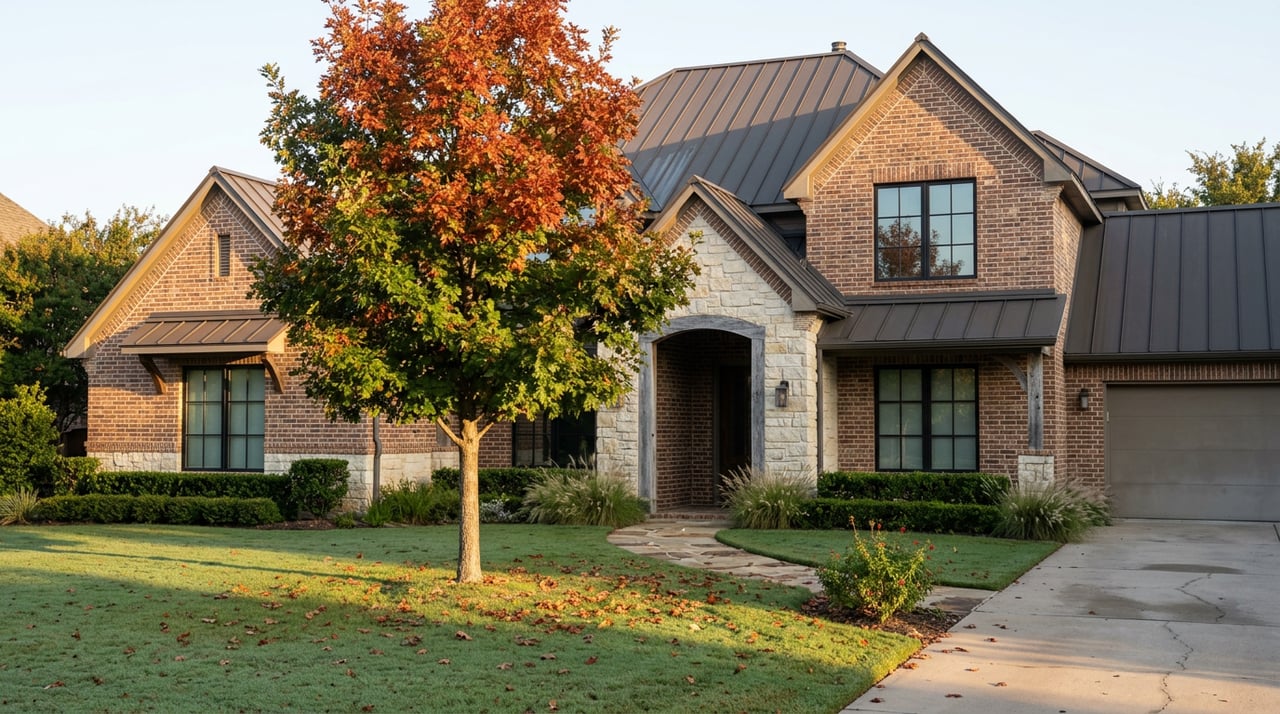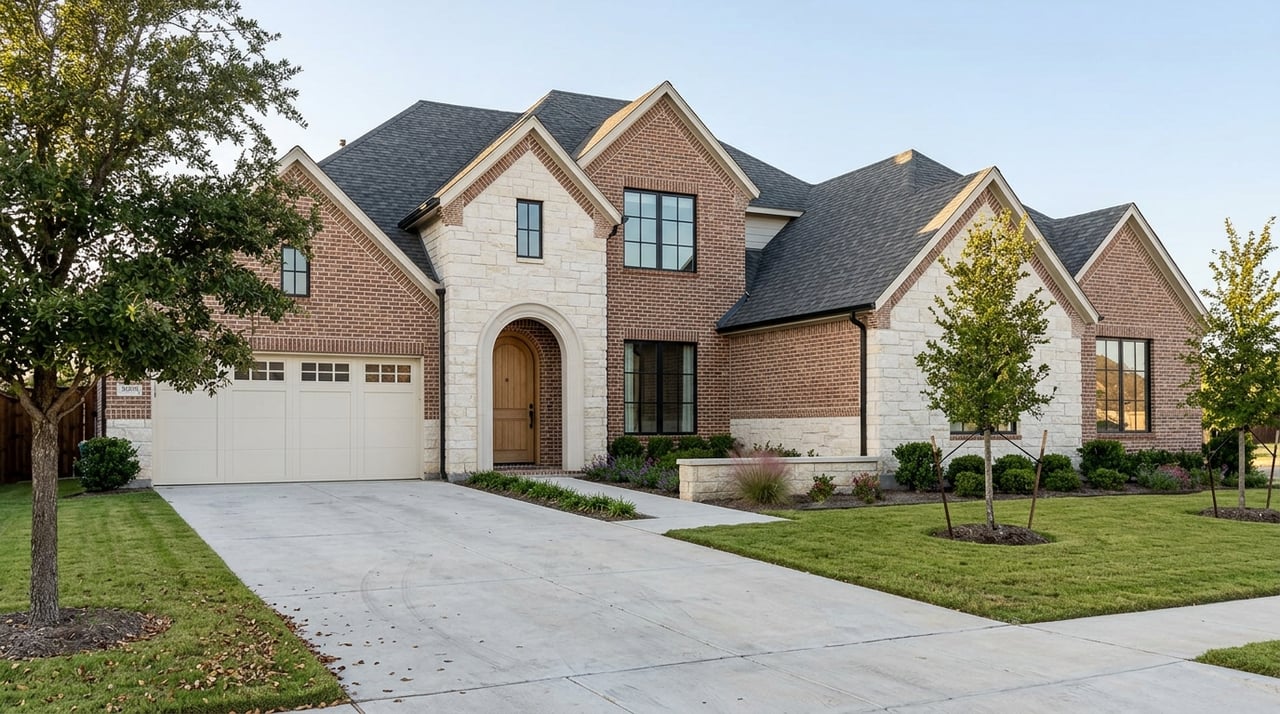
Stone-and-brick house with a broad driveway, reflecting pool, and purple flower beds beneath large trees.

When Is the Best Time to Buy a Home in Fort Worth?

January 22, 2026

Trying to decide when to buy a home in Fort Worth? The month you choose can change your options, your leverage, and even your monthly payment. You want the right home at the right price without guessing the market. In this guide, you’ll learn how seasons, inventory, and mortgage rates shape your opportunity in Fort Worth, plus a simple plan to act when the timing is right. Let’s dive in.

What changes by season in Fort Worth

Fort Worth follows a familiar housing rhythm. Spring and early summer bring the most listings and buyer activity, while late fall and winter tend to be quieter. Because Texas winters are milder and DFW growth is strong, the swings are more moderate than in colder regions, but they still matter for your strategy. For context on Texas patterns, scan statewide housing summaries from the Texas Real Estate Research Center.

Spring (March to May)

Spring is the high-selection window. More sellers list to catch the traditional moving season, and more buyers tour at once. You will likely see the widest choice of neighborhoods and floor plans, especially in family-oriented areas timing moves around the school calendar. The tradeoff is heavier competition and less room for negotiation.

Early summer (June to July)

Many spring contracts close in early summer, and prices often sit near seasonal highs. New construction is active, and some builders increase incentives in mid to late summer if absorption slows. If you need to move during summer, strong preapproval and quick decision-making help you win the right home.

Fall (August to November)

Activity cools, and listings begin to taper. Fewer buyers touring can translate into better negotiating power, though selection narrows in certain price ranges. If you are flexible on features or location, fall can offer value with less pressure.

Winter (December to February)

Winter has the lowest inventory and buyer traffic, which often means more motivated sellers. You may see longer days on market and more price reductions or concessions. The tradeoff is fewer choices, so you will want to watch alerts closely and be ready to move when a match appears.

For current, local context on inventory, prices, and days on market, review monthly DFW market reports from the MetroTex Association of REALTORS.

Inventory and competition: what to watch

Understanding supply-and-demand indicators helps you time offers and set expectations.

  • Months of Inventory (MOI). MOI is the number of months it would take to sell current listings at the recent sales pace. Lower than 3 months favors sellers. Higher than 6 months favors buyers. Tracking MOI trends in Tarrant County helps you gauge leverage.
  • Median price and list-to-sale trends. Rising median prices and sale-to-list ratios above 100 percent signal tight conditions. Flattening or declining numbers indicate more negotiation room.
  • Days on Market (DOM). Longer DOM can point to pricing pressure and potential concessions.
  • New construction supply. Builders in growth corridors often roll out incentives during slower periods or when inventory stacks up. Timing a spec home purchase in late fall or winter can unlock savings, but confirm incentives community by community.

If MOI is low and DOM is short, plan for speed and strong terms. If MOI rises and DOM stretches, you have more room to ask for concessions, repairs, or closing cost help.

Mortgage rates and timing

Mortgage rates are a major driver of both affordability and competition. When rates rise, some buyers step back, which can cool demand and increase seller motivation. When rates fall, more buyers jump in, and competition can intensify quickly. To watch rate trends, check the weekly survey of the 30‑year fixed from Freddie Mac’s Primary Mortgage Market Survey.

A few financing moves to consider:

  • Rate lock strategy. Decide if you will lock early to guard against increases or float to try to capture a dip. Lock periods and float‑down options vary by lender. For the basics on rate locks, see the CFPB’s consumer guide.
  • Use of seller concessions or buydowns. In higher-rate periods, you can ask sellers to help with closing costs or a temporary rate buydown. That can ease your payment in the early years and make a deal pencil out.
  • Strong preapproval. A complete preapproval with documentation in hand strengthens your position in competitive windows and speeds up appraisal and underwriting.

A simple timing framework for Fort Worth buyers

Use this framework to match your goals with the market.

Window A: Early research (now)

  • Set your budget and must-have list. Include property taxes in your monthly estimate. For local tax information, review the Tarrant Appraisal District.
  • Get prequalified and line up a local lender. Ask about timelines, rate locks, and buydown options.
  • Monitor MOI, DOM, and price trends in your target neighborhoods. Set alerts for new listings and price drops.

Window B: Inventory rises (spring)

  • Priority: selection. If you need a specific area or a summer move-in, prepare to act fast.
  • Be offer-ready. Have full preapproval, clear priorities, and a plan for appraisal and inspection timing.
  • Expect limited concessions. Consider clean terms and, if appropriate, an escalation clause to stay competitive.

Window C: Higher MOI or higher rates (buyer leverage)

  • Target listings with price reductions or longer DOM. Request seller credits for closing costs or rate buydowns.
  • Ask builders about current incentives if you are open to new construction.
  • Balance payment vs. price. A concession today may offset some rate pressure while you watch for future refinance opportunities.

Window D: Late fall and winter (less competition)

  • Focus on motivated sellers, such as relocations or estate sales.
  • Use pricing history and inspection findings to justify offers.
  • Be flexible on features or timing since selection is thinner.

Decision guardrails:

  • If MOI is above 4 to 6 months and DOM is rising, lean into concessions and contingencies.
  • If sale‑to‑list runs over 100 percent and MOI is under 2 months, prioritize speed and clean offers.
  • If rates shift quickly week to week, talk with your lender about locking versus floating. A small rate dip may not outweigh shrinking inventory if you are chasing a specific home.

Local factors across Fort Worth–Arlington

Different pockets of Tarrant County can move on slightly different schedules. Central Fort Worth areas and established neighborhoods may show different inventory patterns than master‑planned communities in north or west Fort Worth, Arlington, or far‑north Tarrant County. Entry-level price ranges often see the most competition, while higher price bands can be more seasonal.

New construction remains a meaningful supply source across DFW. In slower months, many builders offer incentives like closing cost help, upgrades, or rate buydowns. Incentives vary by community, so confirm details with your agent before you tour model homes.

Texas-specific costs matter for budgeting. The state does not have an income tax, so property taxes are a major part of your monthly payment. Review tax estimates early and include them in your affordability boundary.

For additional statewide and regional market context, you can browse housing research from the Texas Real Estate Research Center.

When the right window opens, how your agent helps

A proactive local agent can tilt the odds in your favor when your ideal window appears.

  • Market monitoring. Track MOI, price reductions, and new listings in your micro‑neighborhood, then alert you the moment a match hits the market.
  • Offer strategy. Craft competitive or contingency-balanced offers that fit current conditions, from earnest money and inspection timelines to escalation language when needed.
  • Lender coordination. Connect you with responsive local lenders, help you choose a rate lock approach, and align closing timelines. Many DFW purchases close in 30 to 45 days, depending on appraisal and underwriting.
  • Negotiation and inspections. Push for concessions, repair credits, or appraisal solutions when you have leverage. Pivot to speed and clean terms when competition is hottest.
  • Builder navigation. If you choose new construction, represent you at the table, explain incentives, and review contract terms.

Whether you value selection most or want to maximize negotiating power, a two-agent team experienced in Fort Worth suburbs can help you time it right and move with confidence.

The bottom line

There is no single “best” month for every buyer. Spring gives you the most choice. Late fall and winter often deliver more leverage. Mortgage rates can tilt the balance at any time. When you match your priorities to the season and watch the right metrics, you give yourself the best chance to land the home you want on terms that fit your budget.

Ready to plan your window and get a step-by-step game plan tailored to your move? Schedule a Free Consultation with Pamela Carter.

FAQs

Is spring always the best time to buy in Fort Worth?

  • Spring offers the most selection, but it is not always best for price or leverage; match your timing to your priorities and budget.

How do mortgage rates affect my timing in Fort Worth?

  • Falling rates can increase competition while rising rates can open negotiation opportunities; track trends using Freddie Mac’s PMMS and plan a rate lock strategy with your lender.

Are builder incentives in Tarrant County predictable?

  • Builders often offer incentives in slower months or when inventory builds up, but details vary by community and change frequently.

How do I know if I have negotiating power on a Fort Worth home?

  • Watch MOI, DOM, sale‑to‑list ratios, and price reductions in your micro‑neighborhood; higher MOI and longer DOM usually signal more leverage.

What is a rate lock and should I get one?

  • A rate lock holds your mortgage rate for a set period; review basics with the CFPB’s guide and decide with your lender based on market movement and your timeline.

Work With Us

Pamela and Brooklyn have two different styles when it comes to realestate, which is what makes them a powerful team. They look forward to helping as many people as they can navigate the process of buying, selling or investing in realestate.